The transportation sector in South Africa is undergoing a profound transformation as of February 16, 2026, driven by a national strategy to digitize administrative services. Central to this evolution are the updated South Africa driving licence protocols, which seek to replace aging infrastructure with streamlined digital alternatives. These changes are not merely cosmetic; they represent a fundamental shift in how the state manages motorist data, verifies identity, and enforces road safety. By integrating advanced technology into the National Traffic Information System, the government aims to eliminate the chronic backlogs and security vulnerabilities that have historically hampered Licensing Testing Centres across the country.
Table of Contents
Transitioning to the Eight Year Validity Model
One of the most significant structural changes currently being phased in is the extension of the physical driving licence card’s validity period. Moving from the traditional five year cycle to an eight year term is a strategic response to the administrative burden placed on both the state and the motorist. This extension aligns South Africa with international best practices and significantly reduces the frequency of mandatory visits to testing centers. While the card remains valid for longer, it is important to note that the requirement for high standards of driver health and vision remains a priority, with periodic checks still integrated into the broader enforcement framework to ensure that safety is never compromised for the sake of convenience.
Integration of Digital Licenses and Mobile Verification
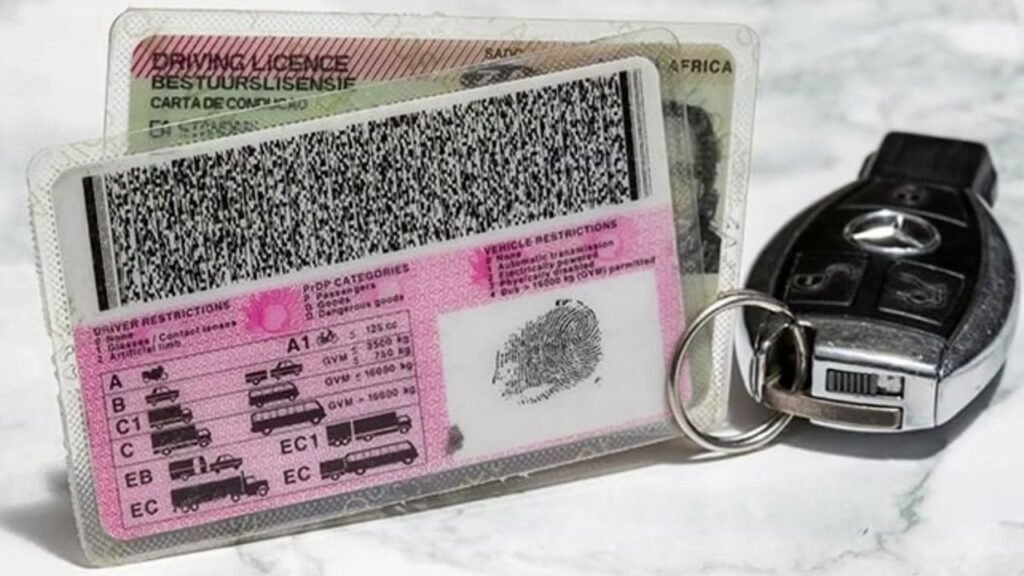
The introduction of a digital driving licence represents a leap forward in accessibility for South African motorists. This electronic version is designed to be stored securely on a smartphone and holds the same legal standing as the physical polycarbonate card. Traffic officers are now equipped with scanners capable of verifying these digital credentials in real time, reducing the need for drivers to carry physical documents at all times. This system works in tandem with the traditional card, providing a redundant safety net for drivers. The digital platform also allows for instant updates to a driver’s profile, ensuring that any changes in licensing status or endorsements are reflected immediately in the central database.
Enhanced Security Through Centralized Biometric Verification
To combat the persistent issue of identity fraud and the production of counterfeit documents, the 2026 system relies heavily on sophisticated biometric verification. Every renewal or new application now requires the capture of high resolution fingerprints and digital facial recognition data. This information is cross referenced with the Department of Home Affairs database to ensure absolute certainty regarding the applicant’s identity. Furthermore, the new generation of physical cards includes advanced security features such as watermarks and microprinting that are nearly impossible to replicate. These measures ensure that the licensing system remains a trusted pillar of national security and public safety.
Comparing Old and New Licensing Standards
The shift in regulations has introduced several technical differences in how licences are managed and verified. The following table provides a clear comparison of the traditional system versus the modernized 2026 framework.
| Feature | Previous System (Pre-2025) | Modernized System (2026) |
| Card Validity | 5 Years | 8 Years (Phased Implementation) |
| Format | Physical Card Only | Physical and Digital Mobile Versions |
| Verification | Visual Inspection / Manual Check | Biometric and Real-Time Digital Scan |
| Application | Primarily In-Person | Online Booking and Digital Submission |
| Compliance | Fine-Based Penalties | AARTO Demerit Points and Suspensions |
| Printing Source | Single Aging Machine | Decentralized / Government Printing Works |
Adapting to the Demerit System
For the modern motorist, the most impactful daily change is the full operational status of the AARTO demerit system. This requires a shift in driving behavior from a simple “pay a fine” mindset to a “protect your points” approach. Under this system, every traffic violation carries a specific point value that is deducted from your professional standing. If you accumulate too many points, your licence is automatically suspended. Expert insight suggests that drivers should regularly check their status through the national portal to avoid surprise suspensions. Practically, this means that consistent minor infractions, like speeding by small margins, now carry long term consequences that could eventually result in the loss of driving privileges altogether.
Critical Takeaways for South African Motorists
- The shift to an eight year validity period aims to reduce renewal frequency and administrative queues.
- Digital licences are now legally recognized and can be presented on mobile devices during traffic stops.
- Biometric data is mandatory for all renewals to ensure identity security and prevent fraudulent applications.
- Road users must actively manage their demerit points to avoid automatic suspension of their driving rights.
- Online portals are the primary method for scheduling appointments and tracking the status of card production.