The astronomical community is currently focused on a rare celestial alignment that will result in the longest total solar eclipse of the 21st century. While the world has witnessed several notable eclipses in recent years, the upcoming event on August 2, 2027, is distinguished by an extraordinary duration of darkness that will not be matched for another hundred years. This phenomenon occurs when the moon passes directly between the Earth and the sun, but several specific orbital factors are converging to make this particular shadow path exceptionally wide and long-lasting. For scientists and enthusiasts alike, this event represents a peak opportunity for solar research and observation that defines a generation.
Table of Contents
The Science of Extended Totality and Orbital Mechanics
The exceptional length of the 2027 solar eclipse is the result of a “perfect storm” of orbital geometry. First, the Earth will be near aphelion, its farthest point from the sun, which makes the solar disk appear slightly smaller in the sky. Simultaneously, the moon will be near perigee, its closest point to Earth, maximizing its apparent size. When a larger-looking moon covers a smaller-looking sun, the resulting shadow is much broader. Furthermore, the path of totality crosses near the equator, where the Earth’s rotational speed is at its highest, helping to keep the observer under the lunar shadow for a longer period.
Geographical Path and Optimal Observation Hubs
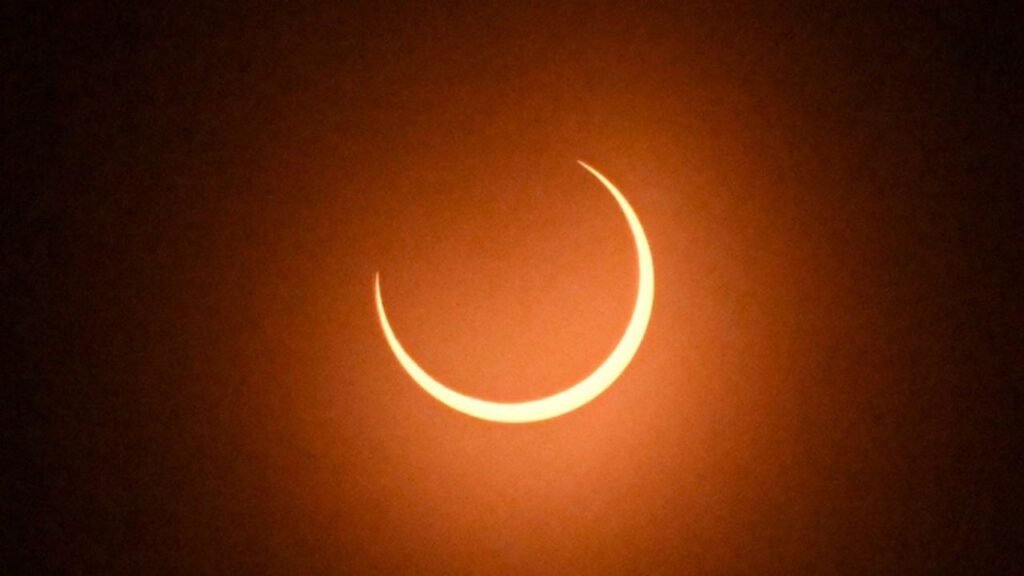
The shadow of the moon will trace a corridor approximately 15,000 kilometers long, beginning in the Atlantic Ocean and sweeping across several continents. Unlike many eclipses that occur over remote oceans, the 2027 path crosses some of the most cloud-free regions on Earth, significantly increasing the probability of a clear view. Key locations in North Africa and the Middle East are preparing for an unprecedented influx of international travelers and researchers. In particular, the Egyptian city of Luxor is being cited as the premier destination due to its historical backdrop and the fact that it sits almost exactly on the centerline of the path.
| Observation Location | Estimated Duration of Totality | Expected Weather Conditions |
| Tarifa, Spain | 4 Minutes 39 Seconds | Generally Clear |
| Tangier, Morocco | 4 Minutes 48 Seconds | High Probability of Clear Skies |
| Luxor, Egypt | 6 Minutes 22 Seconds | Excellent (Desert Climate) |
| Jeddah, Saudi Arabia | 5 Minutes 50 Seconds | Very High Clarity |
| Indian Ocean (At Sea) | 6 Minutes 23 Seconds | Variable |
Safety Protocols for Direct Solar Observation
Observing a solar eclipse requires specialized equipment to prevent permanent ocular damage. The intensity of solar radiation is high enough to cause retinal burns even when the sun is 99 percent obscured. The only time it is safe to look at the phenomenon with the naked eye is during the brief window of total obscuration, known as totality. For all other phases, including the partial leading and trailing edges, observers must adhere to strict safety standards to protect their vision.
- Use only ISO 12312-2 certified eclipse glasses from reputable manufacturers.
- Do not use standard sunglasses, smoked glass, or polarising filters, as these do not block harmful infrared or ultraviolet rays.
- Ensure that any optical devices, such as telescopes or binoculars, are fitted with professional-grade solar filters on the front end of the lenses.
- Supervise children closely to ensure they do not remove their protective eyewear while looking at the sun.
Expert Insight: Practical Application for Future Planning
For those planning to witness the 2027 solar eclipse, the practical application of today’s data suggests that travel and logistical arrangements should be finalized well in advance. Because this event offers over six minutes of totality nearly double the duration of the average eclipse hotel capacity in the path of totality is expected to sell out years before the date. From a scientific perspective, this extended duration allows researchers to conduct complex experiments on the solar corona and the Earth’s ionospheric response that are impossible during shorter events. If you are a photography enthusiast, the extra minutes provide a rare buffer to capture the “diamond ring” effect and solar prominences without the frantic rush typically associated with totality.
Key Summary of the Century’s Premier Eclipse
- The total solar eclipse will occur on August 2, 2027, featuring the longest totality of the 21st century.
- At its peak, the sun will be completely obscured for approximately 6 minutes and 23 seconds.
- The path of totality crosses through Spain, Morocco, Algeria, Tunisia, Libya, Egypt, Saudi Arabia, Yemen, and Somalia.
- Standardized ISO-certified eye protection is mandatory for all phases of the eclipse outside of totality.
- Another solar event of this magnitude and duration will not occur for at least 100 years.