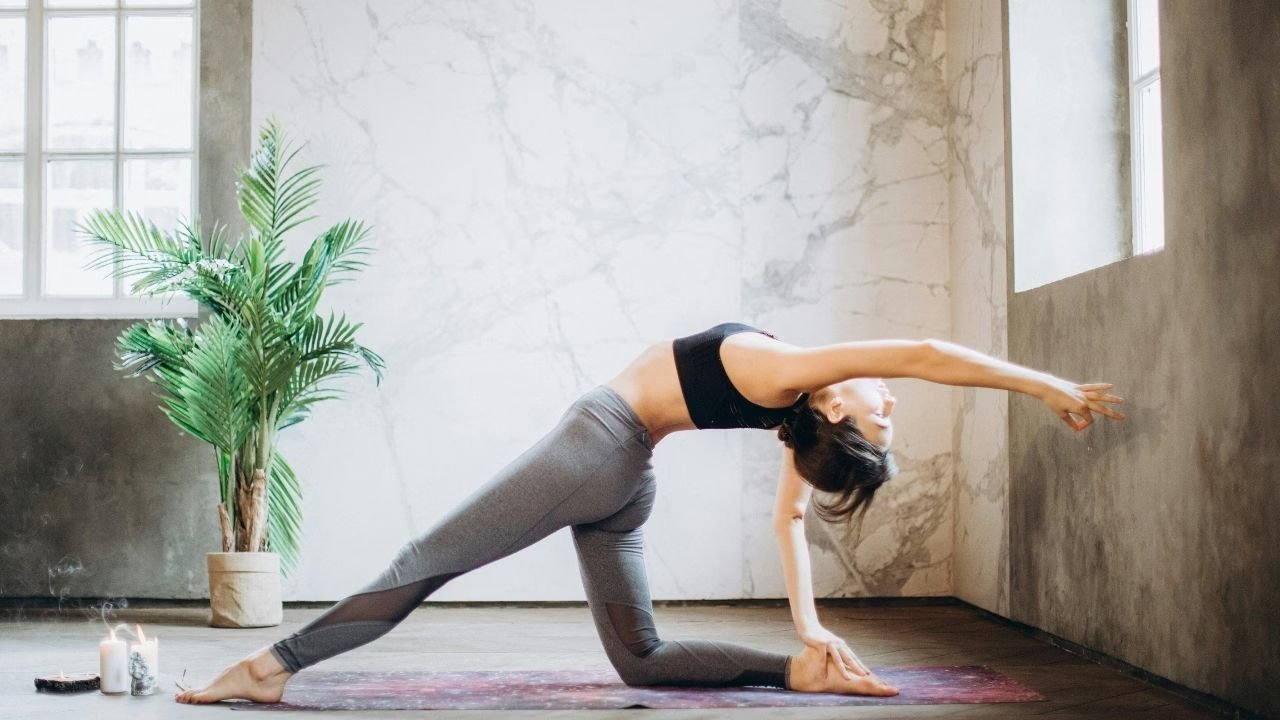
The physical demands of a sedentary lifestyle often manifest as persistent tightness in the neck, lower back, and hips. To counteract these effects, integrating gentle yoga into your morning or evening routine provides a sustainable path to restoring range of motion. Unlike high-intensity stretching, this approach prioritizes the parasympathetic nervous system, allowing muscle fibers to lengthen through relaxation rather than force. By dedicating a few minutes to mindful movement, you can effectively alleviate the cumulative stress placed on your joints and improve your overall quality of life.
Table of Contents
The Physiological Impact of Consistent Stretching
When you engage in gentle yoga, you are doing more than just moving your limbs; you are influencing the connective tissues and fascia that surround your muscles. Prolonged inactivity causes these tissues to become less pliable, leading to that familiar feeling of “morning stiffness.” Controlled, rhythmic movements increase the temperature of the muscle tissue, which enhances blood flow and nutrient delivery to the joints. Over time, this consistent stimulation signals the body to maintain greater elasticity, making everyday tasks like reaching for a shelf or bending down much more comfortable.
Targeted Poses for Spinal and Hip Mobility
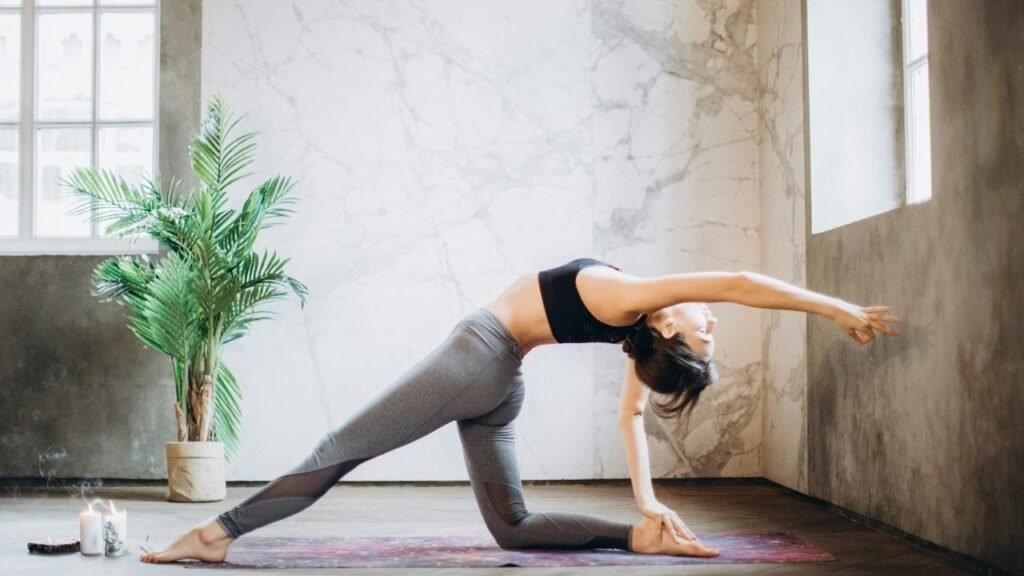
The spine and hips are the primary anchors of human movement, yet they are often the areas most affected by modern desk work. Specific postures are designed to address the unique tension found in these zones. For instance, movements that involve spinal extension and flexion help to rehydrate the intervertebral discs and maintain a healthy curvature. Similarly, opening the hip flexors which frequently shorten during hours of sitting can alleviate secondary pain in the lower back.
| Category | Primary Benefit | Recommended Duration |
| Spinal Transitions | Decompresses vertebrae and improves back suppleness | 2 minutes |
| Hip Openers | Neutralizes tension from sitting and releases glutes | 1 minute per side |
| Posterior Chain Stretch | Lengthens hamstrings and calves | 45 seconds |
| Restorative Holds | Calms the nervous system and lowers cortisol | 3 minutes |
| Lateral Extensions | Improves lung capacity and side-body reach | 30 seconds per side |
Integrating Breathwork to Deepen Flexibility
A critical component of effective yoga is the synchronization of breath with movement. The breath acts as a gauge for the intensity of a stretch; if your breathing becomes shallow or labored, it is a clear signal from the body to back off. Inhaling during “opening” movements and exhaling during “folding” or “twisting” movements encourages the muscles to release their protective guarding. This neurological shift is what allows for a deeper stretch without the risk of micro-tears in the muscle fibers.
Expert Insight: Practical Application for Professionals
For those working in high-pressure environments, the most effective way to apply these principles is through “micromovements” throughout the workday. You do not always need a yoga mat to find relief. A simple seated spinal twist or a standing side stretch performed between meetings can prevent stiffness from setting in. Expert practitioners suggest the 30-minute rule: for every half hour of sitting, perform 60 seconds of gentle movement. This proactive approach ensures that by the time you reach your evening session, your body is already primed for deeper relaxation and recovery.
Core Takeaways for Long-Term Success
- Consistency is the foundation of progress; 10 minutes daily outperforms an hour once a week.
- Focus on the sensation of release rather than the aesthetic of the pose.
- Utilize props like cushions or chairs to make positions accessible and pain-free.
- Maintain a “soft edge” in every stretch to protect joints and ligaments.
- Monitor your posture during the day to prevent tension from accumulating.